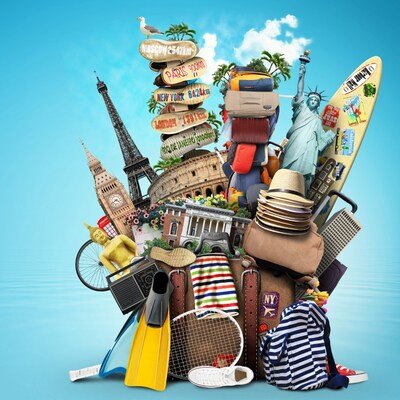
Solo travel has grown considerably in popularity over the past decade, and for good reason. Travelling alone offers a degree of flexibility and self-directed discovery that group itineraries rarely allow. That said, a first solo trip can feel logistically overwhelming before departure. This guide breaks the process into manageable stages so that the planning side of things feels as rewarding as the journey itself.
Choosing the Right Destination for a First Solo Trip
Not all destinations are equally straightforward for solo travellers new to independent exploration. A useful starting point is to consider a country or city with a well-established tourist infrastructure — reliable public transport, a range of accommodation types, and a clear entry of process for your passport. Countries across Western Europe, Japan, New Zealand, and parts of Southeast Asia such as Thailand and Vietnam are often cited by experienced solo travellers as relatively accessible starting points, though individual experiences can vary considerably.
It is also worth thinking about language. While English is widely spoken in many destinations, travelling somewhere with at least a few phrases of the local language learned in advance tends to enrich the experience and can be genuinely useful in less touristy areas.
Budgeting Realistically Before You Go
One of the most common planning oversights on a first solo trip is underestimating the full cost of a journey. The headline price of a flight and accommodation booking is only part of what a trip costs. Consider also:
- Visas and entry fees — many destinations require advance applications with associated costs
- Travel insurance — a frequently overlooked but strongly recommended expense, particularly for medical cover abroad
- Daily food and transport — these vary enormously by destination and can be researched using travel forums and recent blog posts
- Activities and entrance fees — museums, national parks, guided tours, and similar experiences add up quickly
- A contingency fund — unexpected costs arise on almost every trip; setting aside a reserve can reduce stress significantly
Currency exchange rates and transaction fees from bank cards are also worth researching in advance. Some accounts offer fee-free international withdrawals, which can make a meaningful difference over a longer trip.
Accommodation Options for Solo Travellers
Solo travellers pay what is sometimes called a 'single supplement' at some hotels — a surcharge for occupying a room alone. Hostels sidestep this entirely, offering dormitory beds at a fraction of the cost of private rooms, along with a social environment that many first-time solo travellers find reassuring. Many hostels also offer private rooms at rates below comparable hotels, making them a flexible option regardless of budget.
Guesthouses, locally run bed and breakfast establishments, and apartment rentals through short-term platforms are all worth considering depending on destination and length of stay. Reading recent reviews carefully — particularly those left by other solo travellers — can give a realistic picture of what to expect.
Safety Considerations While Travelling Alone
Personal safety is a legitimate concern for any traveller, and planning ahead can reduce uncertainty considerably. Some practical steps that experienced solo travellers tend to recommend include:
- Sharing your itinerary with a trusted contact at home, including accommodation names and addresses
- Keeping digital and physical copies of important documents such as your passport and insurance policy
- Using reputable transport options, particularly at night or in unfamiliar areas
- Staying aware of your surroundings, especially in crowded tourist areas where pickpocketing is more common
- Purchasing comprehensive travel insurance before departure
Government travel advisory websites publish destination-specific guidance and are worth checking before booking, as conditions can change.
Staying Connected and Managing Loneliness
Solo travel involves genuine solitude at times, and this is something worth preparing for mentally. Many travellers find that the experience of being alone in a new place is more enriching than isolating, particularly once the initial unfamiliarity passes. Staying connected with home through regular check-ins, joining walking tours or group activities at your destination, and spending time in communal spaces such as hostel common rooms or local cafes can all help ease the transition into solo travel.
A local SIM card or an international data plan is worth arranging before or shortly after arrival, both for navigation and for staying in contact with people you know.
Planning a first solo trip involves more decisions than a typical group or package holiday, but the process itself tends to build confidence and practical travel skills that carry forward into every subsequent journey. Starting with a clear plan, a realistic budget, and an openness to adjusting along the way tends to produce the most rewarding experiences.